Individuals
Work out your footprint, cover it, and keep it covered. A straightforward way to go carbon neutral without wading through a broker's catalogue.
- Personal or household footprint
- One-off or annual
- Certificate with parcel and vintage
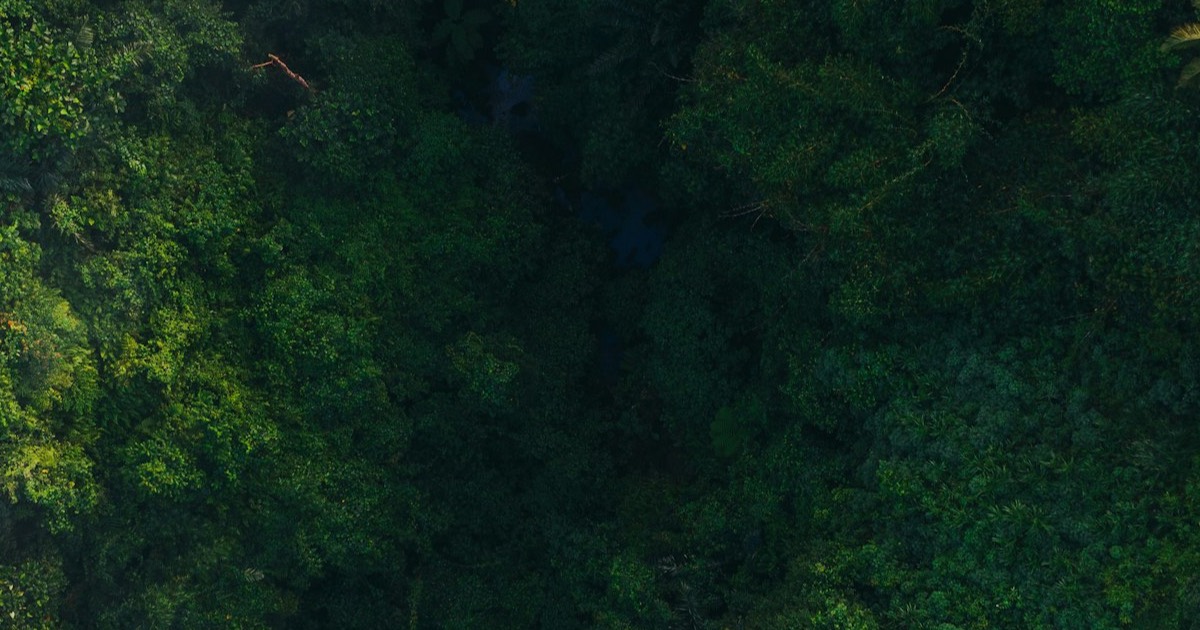
Guyana · South America
Clean Acres grows Empress Splendor hardwood across 1,000 acres in Guyana — one of the fastest-growing trees on Earth — and turns that growth into carbon credits you can trace back to the soil they came from.
The project
Clean Acres was founded on a simple frustration: the voluntary carbon market is full of credits nobody can point at. Paper forests. Projects that would have happened anyway. Offsets priced by a broker three steps removed from any actual land.
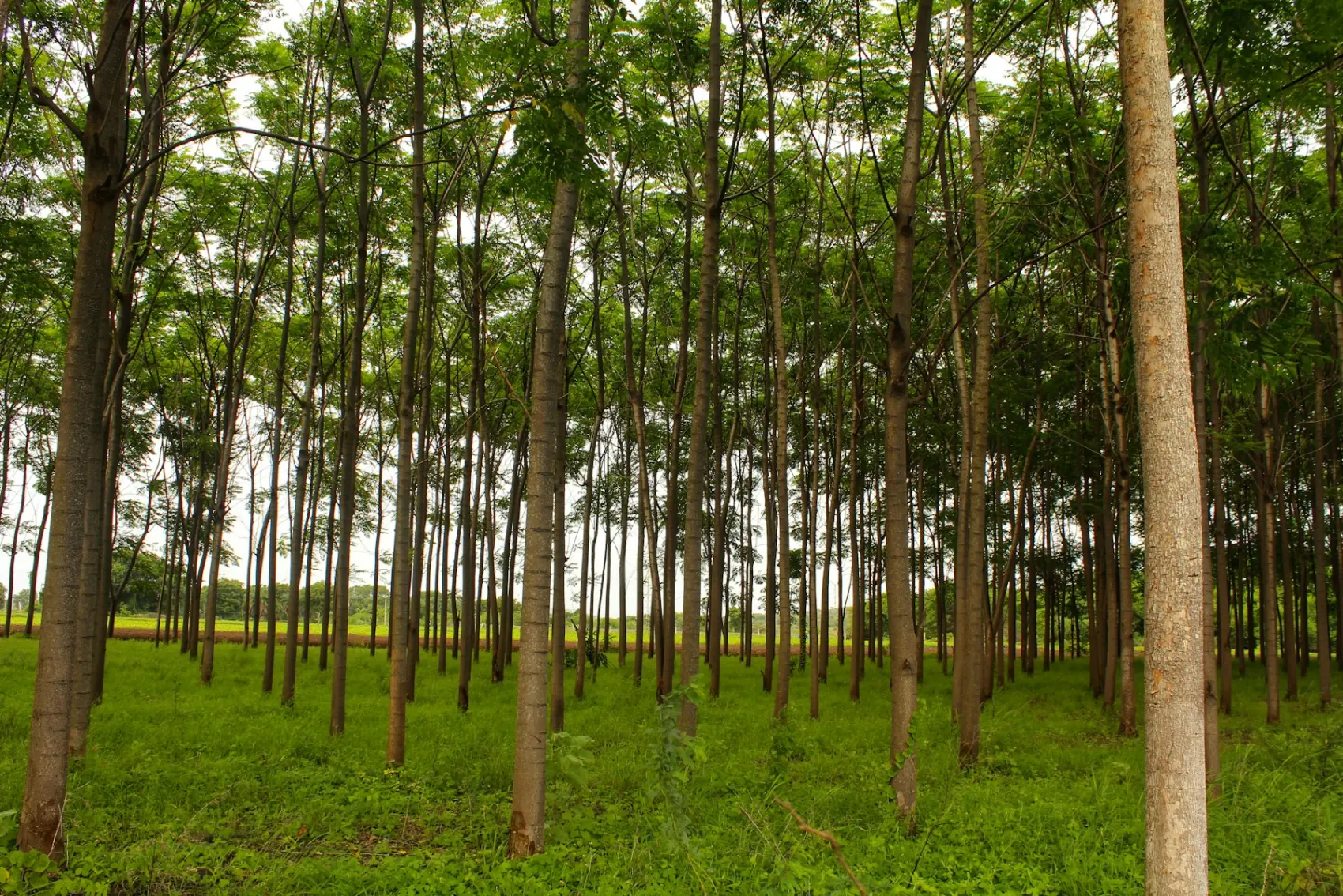
So we bought the land. One thousand acres in Guyana — unforested, degraded ground that had fallen out of productive use — and we are planting it with Empress Splendor, the hardwood grown by World Tree across the Americas.
Every credit we issue comes from a measurable stand of trees on a known parcel, modelled by independent third parties rather than self-reported. When you buy from Clean Acres, there is a place on a map where your carbon went.
The land
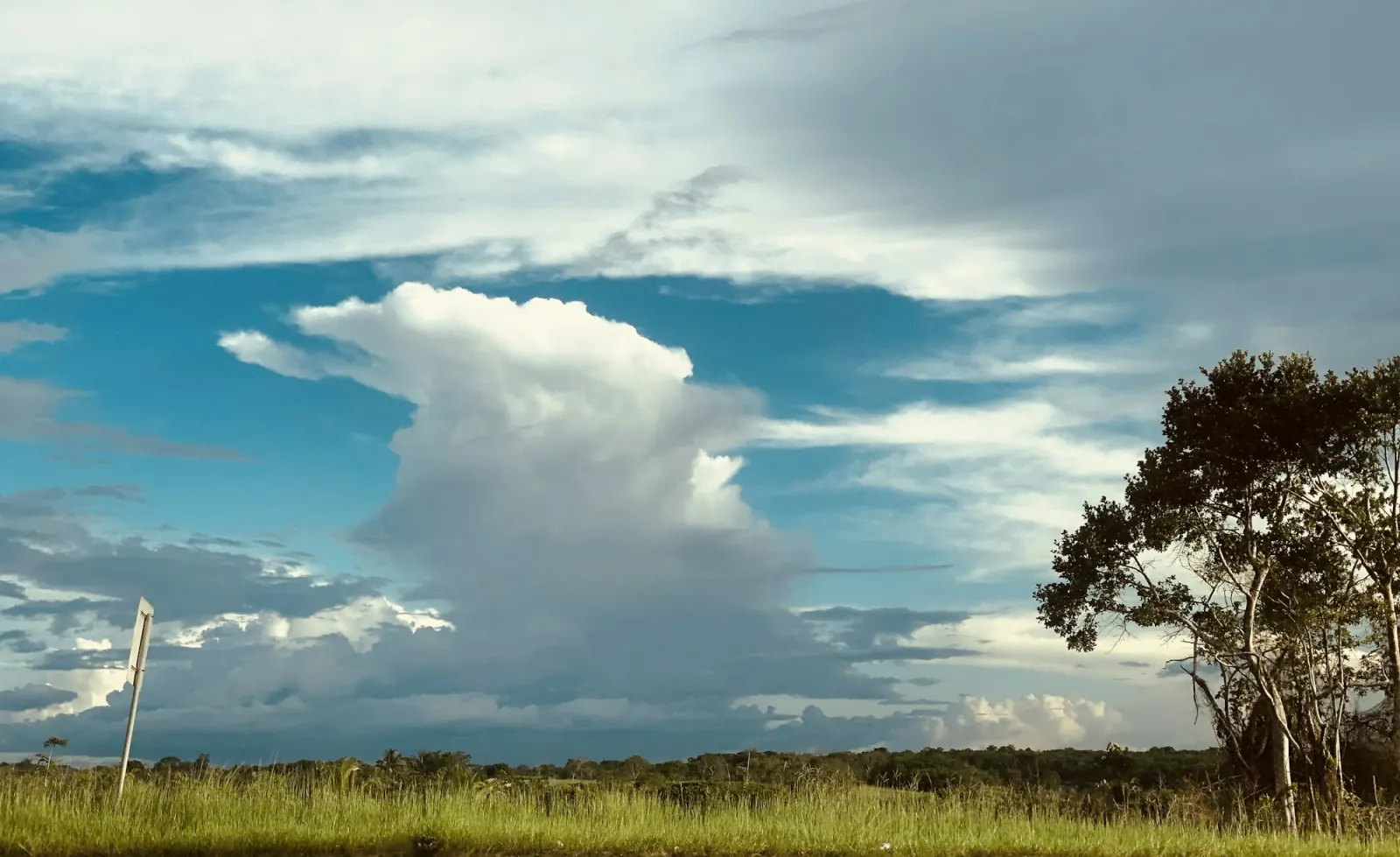
Guyana is one of the most heavily forested countries on Earth, with roughly 87% of its land area under forest and a national Low Carbon Development Strategy that has made standing forest a central part of its economy. It is a country that already understands what carbon is worth.
It is also tropical, wet, and warm all year — which is exactly what Empress Splendor wants. A tree that puts on 10 to 20 feet in its first year in a temperate climate has no dormant season to lose here.
The tree
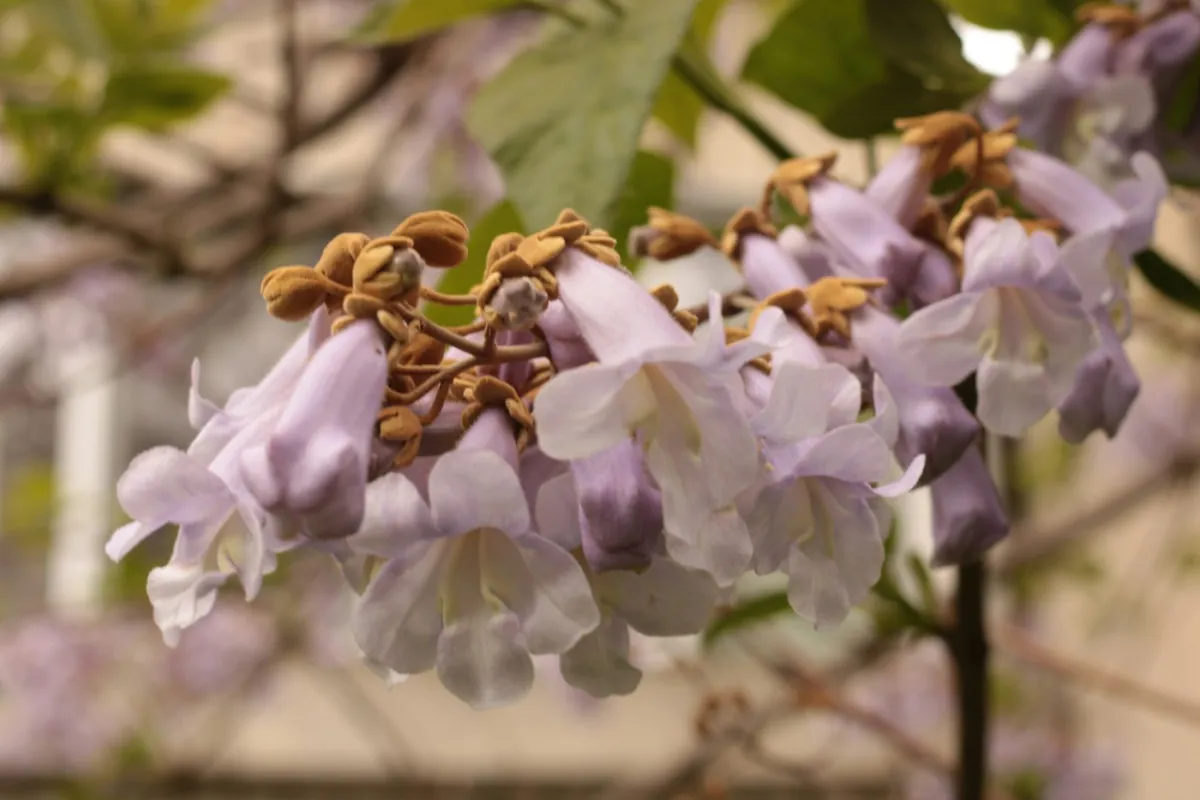
Paulownia fortunei and elongata — the fastest-growing hardwood on the planet, and the reason this whole project works.
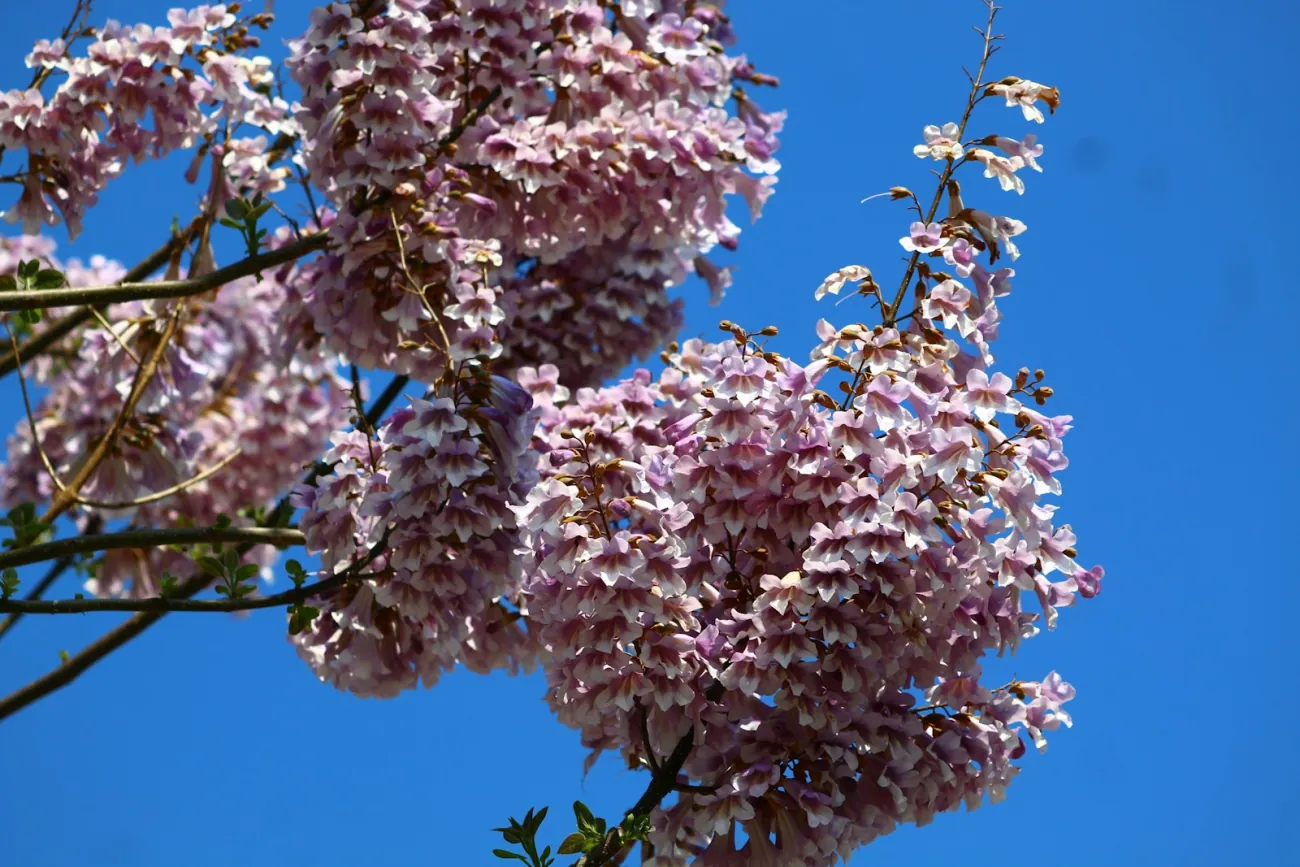
Then another 5 to 10 feet every year after. Growth rates verified in the field by Ostrom Climate.
Up to — modelled independently by Ostrom Climate and the USDA COMET tools. Roughly ten times a pine.
Most hardwoods take forty years or more. Empress reaches furniture-grade timber in about a decade.
Cut it and it comes back from the same root system. No replanting, no re-clearing, no second site prep.
How it works
Five stages, and the carbon is counted at every one of them.
Seedlings go into prepared rows on degraded, unforested parcels. Spacing, species and site are recorded against the parcel before anything is in the ground.
The stand is tended and measured through its establishment years. Survival rates, diameter and height are logged per block, not estimated across the whole site.
Sequestration is modelled by independent third parties — not self-reported — using field-verified growth data and established carbon accounting tools.
Verified removals become credits. Buyers get the parcel, the vintage and the methodology behind every tonne they hold.
At 8 to 12 years the timber is harvested into long-lived products, the stump regrows on its own, and the next cycle starts without clearing a single new acre.
Carbon credits
Whether you are offsetting a household or a supply chain, it comes off the same thousand acres.
Work out your footprint, cover it, and keep it covered. A straightforward way to go carbon neutral without wading through a broker's catalogue.
Offset operations, a product line, or an entire reporting year. Bulk packages are quoted against your actual emissions, with the project detail your auditors will ask for.
Bought more than you needed? Unused credits can be listed back on our marketplace rather than sitting idle on a balance sheet.
The numbers
Figures are modelled sequestration potential at full planting, not credits issued to date. We would rather show you the maths than a number we cannot stand behind.
The founders
Clean Acres is founder-run. The people who decided to buy the land are the people you will be dealing with.

Chief Executive Officer
Sets the direction of the project and leads the relationships that put trees in the ground.
LinkedIn
Chief Business Development Officer
Builds the buyer side — the businesses, brokers and partners who take the credits we grow.
LinkedIn
Chief Technology Officer
Builds the systems that track each parcel, each stand and each tonne from planting through to retirement.
LinkedInQuestions
The things people actually want to know before they buy a tonne of anything.
A carbon credit representing one tonne of CO2e removed by trees growing on our land in Guyana. Each credit carries the parcel it came from, the vintage year, and the methodology used to model it.
Growth is measured in the field and sequestration is modelled by independent third parties rather than estimated in-house. World Tree's programme has used Ostrom Climate for growth, carbon and soil nitrogen, South Pole for carbon analysis under the VERRA hardwood protocol, and the USDA COMET tools for sequestration modelling.
Empress is harvested into furniture-grade lumber and building material, which holds its carbon for the life of the product. The stump then regrows from the existing root system, so the next rotation starts without clearing or replanting.
Some species can be. The varieties grown in this programme — Paulownia fortunei and elongata — are considered non-invasive, with seed that rarely germinates outside cultivation. They are planted in managed rows on land already cleared of forest.
No. Planting is restricted to unforested, degraded land. The whole point is to add carbon that was not there before, not to move it around.
Yes. Unused credits can be listed back through our marketplace rather than written off. Get in touch and we will walk you through the transfer.
Get in touch
Whether it is a household footprint or a reporting year across three continents, start with a message. We will come back with what it would take and what it would cost.